A reliable transport & logistics provider can directly influence how efficiently a warehouse operates, how quickly customers receive goods, and how well a business scales during growth periods. For Australian warehouses managing increasing freight volumes, rising customer expectations, and complex distribution networks, choosing the right partner is not simply a procurement decision. It is a strategic one.
Warehouses are no longer just storage facilities. They are active distribution hubs that sit at the centre of supply chain performance. When transport fails, warehouse operations slow down. When communication breaks down, inventory accuracy suffers. When delivery windows are missed, customer relationships are put at risk.
This article outlines what warehouses should prioritise when selecting a transport & logistics provider and how the right partnership can drive long term operational success.
Alignment between warehouse operations and a transport & logistics provider
A strong transport & logistics provider should integrate seamlessly with warehouse processes. Misalignment between dispatch schedules, pick and pack cycles, and vehicle availability can create bottlenecks that affect the entire supply chain.
Warehouses should look for:
Clear communication protocols
Real time updates on pickup times, delivery windows and delays are essential. A provider that offers transparent communication reduces uncertainty and helps warehouse teams plan labour allocation effectively.
Scheduled and flexible pickup options
Warehouses often operate on strict dispatch deadlines. A capable transport partner should offer:
- Set daily collection times
- After hours or early morning options
- Flexibility during seasonal surges
- Capacity for urgent or same day freight when required
This flexibility ensures outbound freight does not accumulate on the dock, protecting productivity and floor space.
Integration with warehouse management systems
While not every warehouse requires full digital integration, a transport & logistics provider that understands scanning, proof of delivery systems, and freight tracking platforms can support greater visibility across the supply chain.
Scalability and capacity for growth
Many Australian businesses experience fluctuations throughout the year, especially in retail, construction, and manufacturing sectors. A warehouse must work with a transport & logistics provider that can scale accordingly.
This means evaluating:
- Fleet size and vehicle types
- Regional and interstate coverage
- Access to subcontractor networks during peak demand
- Experience managing high volume dispatch
Warehouses that partner with a provider lacking scalable capacity may find themselves scrambling during busy periods. On the other hand, a partner with established infrastructure can support expansion into new markets without major operational disruption.
For businesses managing both storage and distribution, integrated solutions such as warehouse logistics in Brisbane can streamline coordination between storage and transport functions.
Experience within your industry
Not all freight is equal. Warehouses handling palletised freight, fragile goods, oversized items, or time sensitive stock require specialised handling and compliance knowledge.
When evaluating a transport & logistics provider, warehouses should ask:
- Do they understand the handling requirements of our product?
- Are their drivers trained in load restraint and safety compliance?
- Do they have experience delivering to similar customer types?
- Can they manage multi drop metro runs and regional deliveries?
Industry familiarity reduces risk. It also improves delivery accuracy and customer satisfaction.
For further insight into selecting the right partner, our blog on How to Choose the Right Freight Partner for Your Business provides additional guidance.
Commitment to safety and compliance
Safety within the warehouse environment extends beyond racking systems and forklifts. It also includes vehicle movement, dock safety, load restraint, and Chain of Responsibility compliance.
A professional transport & logistics provider should demonstrate:
- Strong safety policies
- Driver training programs
- Vehicle maintenance schedules
- Clear understanding of Australian transport regulations
- Compliance with Chain of Responsibility obligations
Warehouses share legal responsibility across the supply chain. Working with a compliant transport partner protects your business from unnecessary risk and potential penalties.
If you are assessing the reputation of a provider, reviewing their public presence and client feedback via their Google Business Profile can provide helpful transparency.
Geographic coverage and local knowledge
For warehouses operating in South East Queensland or servicing national networks, coverage matters. A transport & logistics provider with strong local knowledge can navigate traffic conditions, delivery restrictions, and regional routes more efficiently.
Local expertise is particularly important for:
- Brisbane metro deliveries
- Regional Queensland freight
- Construction site deliveries
- Retail distribution centres with strict booking systems
Choosing a provider that understands the operational realities of your service area helps reduce delays and improve reliability.
Transparent pricing and cost control
Warehouses operate on tight margins. Freight costs must be predictable and aligned with service levels.
A trustworthy transport & logistics provider should offer:
- Clear pricing structures
- Defined surcharges
- Transparent fuel levy policies
- No hidden fees
- Detailed invoicing
Price should not be the only consideration. However, predictable costing allows warehouses to forecast accurately and protect profitability.
It is equally important to evaluate value rather than simply the lowest rate. Lower pricing without reliable service often results in greater long term operational costs.
Service reliability and accountability
On time delivery is critical to warehouse performance metrics. Missed delivery windows can result in:
- Rejected freight
- Additional storage costs
- Redelivery fees
- Customer dissatisfaction
Warehouses should assess:
- On time performance history
- Proof of delivery processes
- Escalation procedures for issues
- Claims handling processes
A dependable transport & logistics provider will take ownership of issues and work proactively to resolve them.
Understanding the people behind the service can also provide insight into reliability. For example, our blog, A Day in the Life of a Willett Logistics Driver, outlines the operational standards and daily discipline required to maintain service excellence.
Technology and tracking capabilities
Modern warehouse operations rely on visibility. Customers expect tracking updates, and businesses require data to measure performance.
Look for a transport & logistics provider that offers:
- Freight tracking
- Electronic proof of delivery
- Delivery notifications
- Reporting on service performance
This data can assist warehouses in identifying inefficiencies, improving dispatch timing, and strengthening client relationships.
Cultural fit and long term partnership mindset
Finally, the right transport & logistics provider should operate as an extension of your warehouse team. Shared values around professionalism, communication, and accountability create smoother operations.
Questions to consider:
- Are they responsive to enquiries?
- Do they understand your business objectives?
- Are they proactive in suggesting improvements?
- Do they view the relationship as a partnership?
A transactional approach may meet short term needs. However, a strategic partnership supports growth, stability, and operational resilience.
For additional resources on logistics strategy, you can explore more insights on our /blog/ page.
Choosing the right transport & logistics provider for your warehouse
Selecting a transport partner should involve more than comparing quotes. It requires evaluating operational alignment, scalability, safety compliance, reliability, and cultural fit.
A well chosen transport & logistics provider enhances warehouse productivity, protects brand reputation, and supports long term supply chain performance.
Partner with Willett Logistics
If your warehouse is seeking a dependable transport & logistics provider in Brisbane or across South East Queensland, Willett Logistics delivers tailored freight solutions built on safety, reliability and clear communication.
We work closely with warehouse operators to ensure seamless dispatch coordination, transparent pricing and scalable capacity that supports business growth.
Contact our team today via our contact page to discuss how we can strengthen your warehouse distribution network and become a trusted extension of your operations.
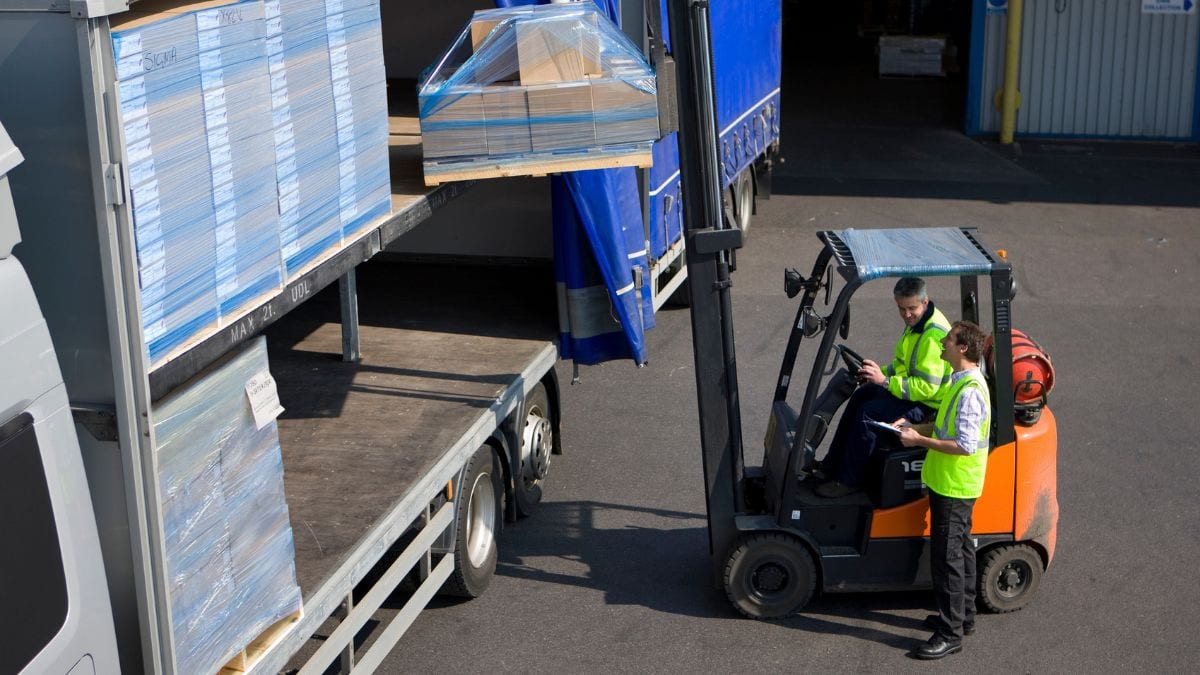
How warehouse transport services impact productivity and profitability
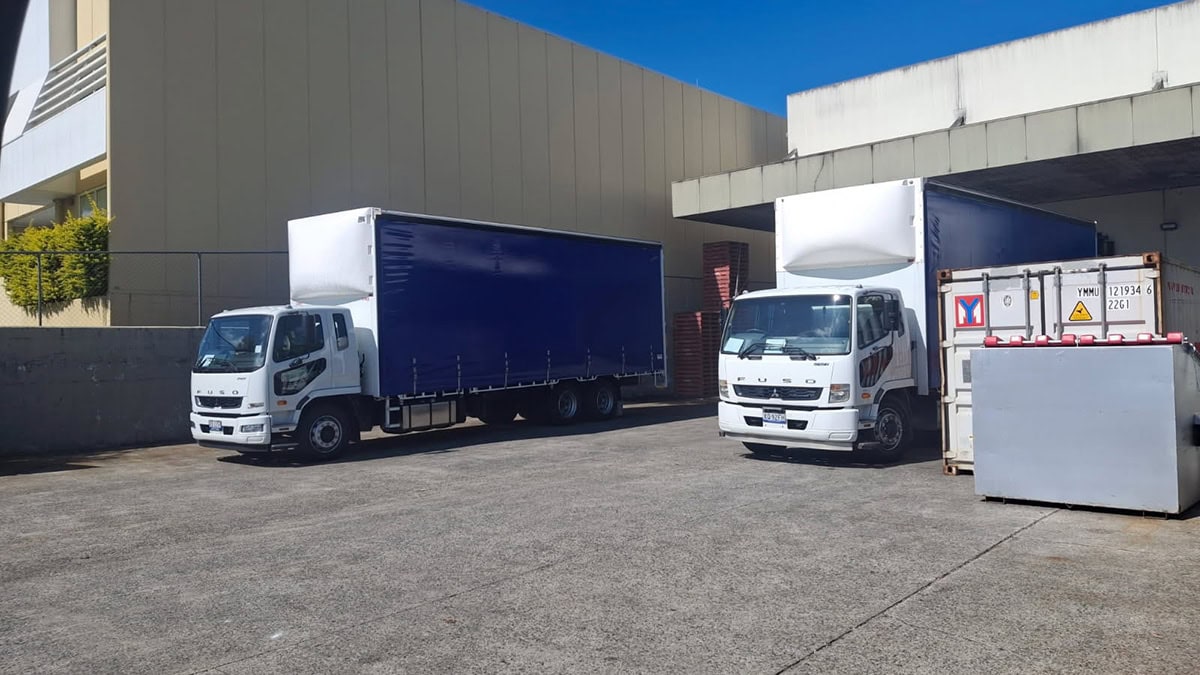
Transport services Ipswich businesses rely on for reliable freight movement