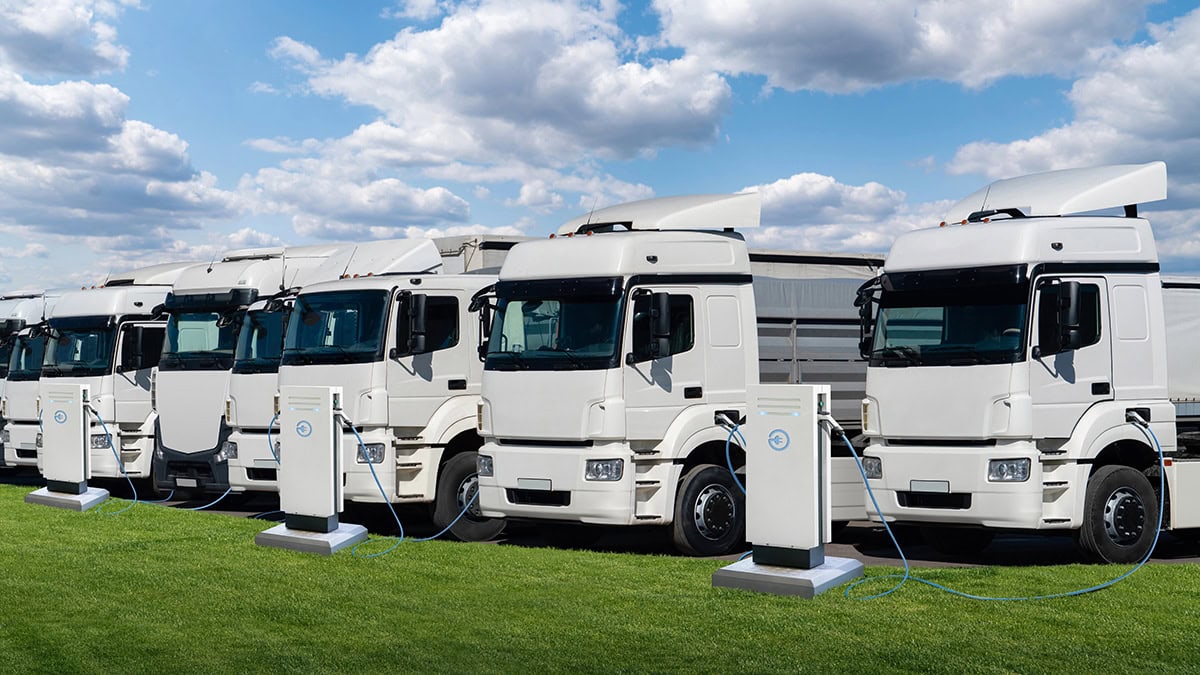
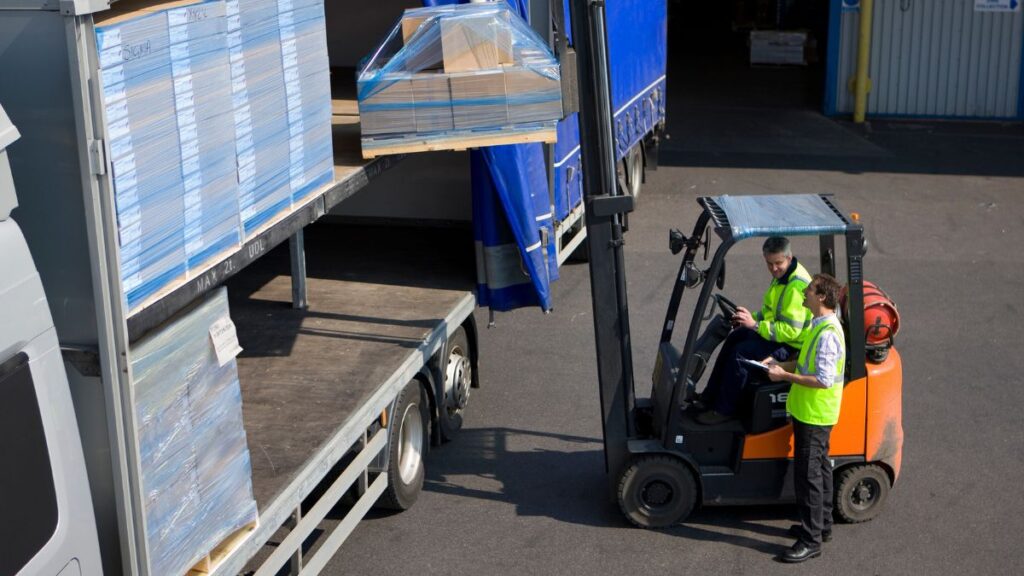
Warehouse transport services play a critical role in determining how efficiently goods move through a facility and how profitable a business ultimately becomes. For Australian warehouses managing growing freight volumes and rising customer expectations, transport is no longer just a delivery function. It is a core driver of operational performance.
When warehouse transport services are reliable, coordinated and scalable, productivity increases across every department. When they are inconsistent or poorly managed, delays, rework and hidden costs quickly erode margins.
Understanding the direct link between transport performance and warehouse outcomes allows businesses to make more strategic logistics decisions.
The link between warehouse transport services and operational efficiency
Warehouse productivity depends on timing. Picking, packing, staging and dispatch all rely on transport vehicles arriving and departing as scheduled.
Effective warehouse transport services contribute to operational efficiency by:
- Reducing dock congestion
- Preventing freight build up
- Supporting accurate labour allocation
- Minimising double handling
- Enabling predictable dispatch cycles
When trucks arrive late or without clear scheduling, warehouse teams are forced to adjust workflows. Staff may need to restage pallets, extend shifts or delay outbound orders. Over time, these inefficiencies impact performance metrics and increase labour costs.
Conversely, when transport is synchronised with warehouse processes, operations run smoothly and throughput increases without requiring additional headcount.
How warehouse transport services reduce labour waste
Labour is one of the highest operational expenses in any warehouse. Inefficient warehouse transport services often result in wasted labour hours.
For example:
- Staff waiting for late collections
- Teams staying back to meet revised dispatch windows
- Additional forklift movements due to miscommunication
- Repacking freight due to incorrect vehicle allocation
A well structured transport schedule reduces these disruptions. With predictable pickup times and clear communication, warehouse managers can roster staff confidently and allocate resources more effectively.
Integrated solutions such as warehouse logistics in Brisbane further improve alignment between storage and distribution, reducing unnecessary handling and optimising floor space usage.
The financial impact of delivery reliability
Customer expectations across Australia continue to rise. Retailers, manufacturers and construction clients all demand consistent delivery performance.
Reliable warehouse transport services directly influence:
- On time delivery rates
- Customer satisfaction
- Repeat business
- Reduced claims and damages
- Lower redelivery costs
Missed delivery windows often result in rejected freight, storage fees or penalties imposed by distribution centres. These costs may not appear immediately in freight invoices, but they affect overall profitability.
A dependable transport partner minimises these risks by maintaining strong scheduling discipline, driver accountability and proof of delivery systems.
If you are reviewing freight partnerships, our article on How to Choose the Right Freight Partner for Your Business provides further practical guidance.
Warehouse transport services and inventory flow
Transport performance influences how quickly inventory turns over. When outbound freight is delayed, stock remains in the warehouse longer than planned. This increases holding costs and reduces available space for incoming goods.
Efficient warehouse transport services support:
- Faster stock rotation
- Improved cash flow
- Reduced congestion
- Better inventory accuracy
- Increased warehouse capacity utilisation
In fast moving industries such as retail and FMCG, delays in transport can disrupt promotional campaigns and seasonal stock planning. For construction and manufacturing, delays can halt projects and strain commercial relationships.
Transport should be viewed as a strategic extension of inventory management, not a separate function.
Cost control and transparent freight pricing
Profitability depends on understanding total landed costs. Warehouse transport services must provide transparent and predictable pricing structures.
Hidden charges, inconsistent fuel levies and unclear surcharges make forecasting difficult. This uncertainty complicates quoting and contract management for warehouse clients.
A professional transport provider offers:
- Clear rate structures
- Defined service inclusions
- Transparent fuel adjustments
- Accurate invoicing
- Consistent service levels aligned to pricing
While low freight rates may appear attractive, unreliable service often generates indirect costs that exceed initial savings. Warehouses should assess overall value rather than focusing solely on price per pallet.
Checking a provider’s public reputation and feedback through their Google Business listing can also provide insight into reliability and professionalism. Willett Logistics maintains a transparent presence through its official Google Business Profile.
The role of technology in improving warehouse transport services
Modern warehouse transport services increasingly rely on technology to enhance visibility and accountability.
Key capabilities include:
- Real time freight tracking
- Electronic proof of delivery
- Delivery notifications
- Performance reporting
- Digital communication systems
These tools allow warehouse managers to monitor outbound freight, respond to delays quickly and provide accurate updates to customers.
Access to service data also supports continuous improvement. Warehouses can analyse trends, identify bottlenecks and refine dispatch planning based on measurable performance indicators.
For further logistics insights, explore additional articles on our /blog/ page.
Risk reduction and compliance
Chain of Responsibility legislation in Australia places legal obligations across the supply chain, including warehouse operators. Partnering with compliant warehouse transport services reduces exposure to risk.
A reputable transport provider demonstrates:
- Clear safety policies
- Regular vehicle maintenance
- Driver training programs
- Load restraint compliance
- Understanding of fatigue management regulations
Failure to meet compliance standards can result in significant financial penalties and reputational damage.
Beyond legal compliance, strong safety culture protects warehouse teams. Coordinated dock management and safe vehicle movements reduce the risk of incidents within busy loading areas.
To understand the operational discipline required behind every delivery, our blog titled A Day in the Life of a Willett Logistics Driver offers valuable insight.
Scalability supports long term profitability
As businesses grow, freight volumes increase. Warehouse transport services must be capable of scaling alongside operational expansion.
Scalable transport solutions provide:
- Flexible fleet capacity
- Access to additional vehicles during peak seasons
- Regional and interstate coverage
- Experience managing large volume dispatch
When transport capacity cannot keep pace with growth, warehouses experience congestion, missed opportunities and strained customer relationships.
A scalable transport partner enables expansion into new markets without requiring major internal restructuring.
Building a strategic partnership
Warehouse transport services should not operate as a disconnected vendor relationship. The most productive and profitable outcomes occur when transport providers act as strategic partners.
This includes:
- Regular performance reviews
- Open communication channels
- Proactive problem solving
- Shared planning for peak periods
- Collaborative improvement initiatives
A long term partnership approach strengthens both operational resilience and financial performance.
Strengthen your warehouse performance with Willett Logistics
If you are seeking warehouse transport services that improve productivity and protect profitability, Willett Logistics provides dependable, scalable freight solutions across Brisbane and South East Queensland.
Our team works closely with warehouse operators to align dispatch schedules, enhance visibility and maintain consistent on time performance. We prioritise safety, clear communication and transparent pricing to ensure your operations remain efficient and commercially strong.Visit our contact page to speak with our team about how our warehouse transport services can support your growth and streamline your supply chain.

What warehouses should look for in a transport & logistics provider
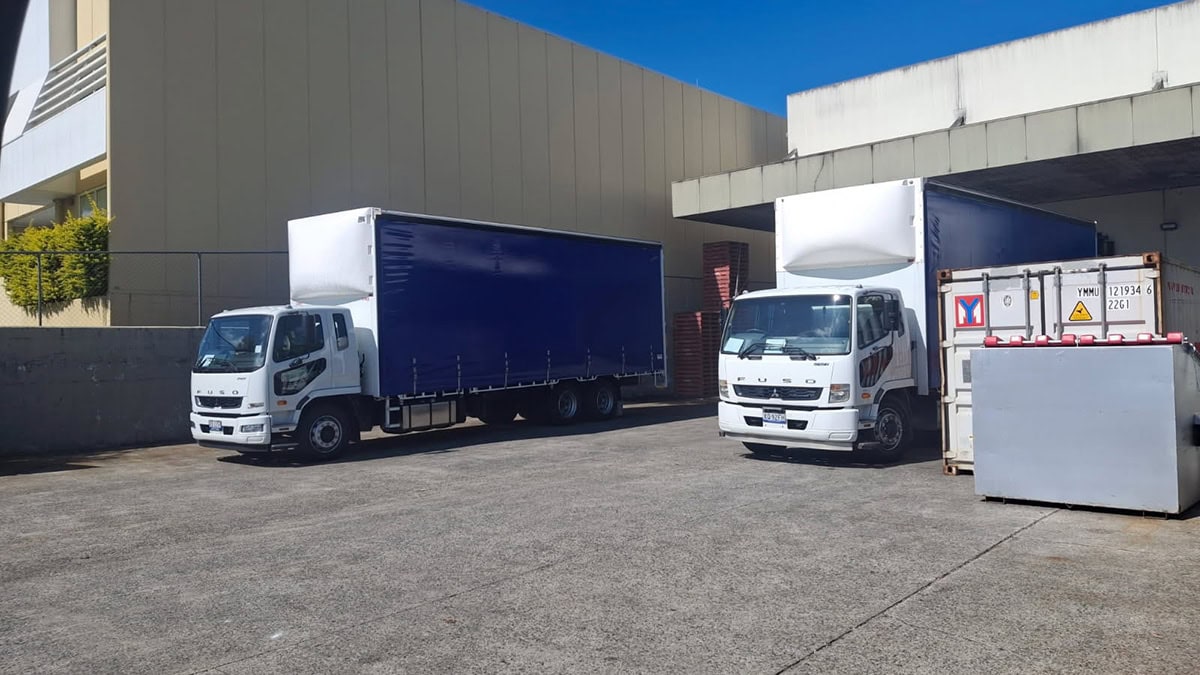
Transport services Ipswich businesses rely on for reliable freight movement