The Future of Sustainable Transport Services in Australia is a pivotal topic for businesses and policymakers as the nation seeks to reduce emissions, improve efficiency, and meet global climate commitments. In this article we explore the key trends, technologies and strategies driving change within Australia’s transport and logistics sector.
Why sustainable transport matters for Australian businesses
The Future of Sustainable Transport Services in Australia begins with understanding why sustainable transport is critical for local industry. Transport accounts for a significant portion of Australia’s carbon emissions, with freight movement being a major contributor. Businesses rely on road, rail, air and sea transport to move goods domestically and internationally. With increasing regulatory pressure and community expectations for lower emissions, adopting sustainable transport practices is no longer an optional consideration for companies with long-term visions.
Sustainable transport offers multiple benefits for businesses, including:
- Reduced fuel and operating costs over time
- Decreased exposure to carbon pricing and future regulatory penalties
- Enhanced brand reputation among conscious consumers
- Greater resilience against energy price volatility
These advantages are more than environmental talking points. They translate into measurable improvements in operational efficiency and bottom line outcomes.
Current landscape of sustainable transport services in Australia
Australia has already begun to implement initiatives and policies that encourage low-carbon transport solutions. Federal and state governments are investing in infrastructure that supports electric vehicles (EVs), low-emission freight corridors, and multi-modal transport hubs that integrate road and rail. Renewable energy integration into transport planning is also gaining traction.
One example is investment in electric vehicle charging networks along major freight routes, which facilitates longer-distance EV operations. Another is the development of inland rail connections that shift freight movement from road to more energy-efficient rail transport. These efforts align with broader commitments to net zero emissions and economic growth.
Despite these positive steps, challenges remain. Australia’s vast distances, dispersed population centres, and dependence on road freight complicate the rapid adoption of sustainable technologies. The logistics industry will need collaborative strategies that balance cost, reliability and environmental outcomes.
Emerging technologies shaping the future of sustainable transport services in Australia
The Future of Sustainable Transport Services in Australia will be defined by several emerging technologies that are already reshaping global logistics. Australian businesses that understand and embrace these innovations stand to gain competitive advantage.
Electric and hydrogen-powered vehicles
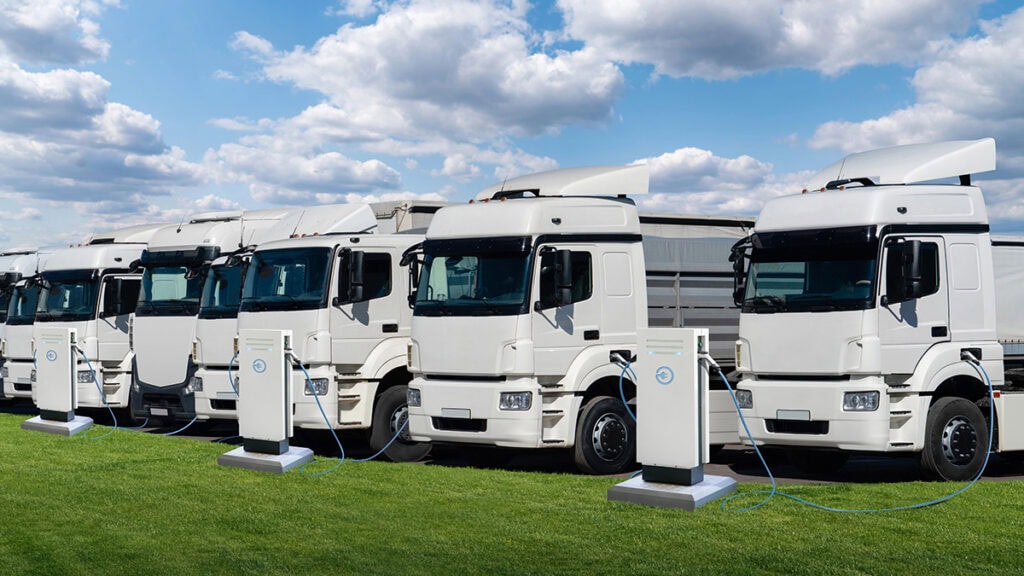
Electric trucks and battery-electric delivery vans are becoming viable alternatives for short- to medium-distance freight movements. For longer distances and heavier loads, hydrogen fuel cell technology is being explored due to its fast refuelling times and high energy density.
Both EV and hydrogen-powered fleets offer significant reductions in greenhouse gas emissions compared to traditional diesel-powered vehicles. Governments and private industry are investing in pilot programs to scale up these technologies within Australia’s freight sector.
Autonomous and connected transport systems
Automated vehicles and connected transport networks promise to improve safety and efficiency. Autonomous freight trucks can operate with precision timing and reduced downtime. Connected systems optimise routing and traffic flow, which reduces idle time and fuel consumption.
Pilot projects in Australia and internationally are exploring how automation can enhance freight efficiency without compromising safety and employment. This is the future of sustainable transport services in Australia.
Smart logistics and digital optimisation
Digital tools that analyse data across the supply chain enable smarter decision-making. Platforms that optimise route planning, consolidate loads, and predict maintenance needs can reduce wasted resources and improve service reliability.
Investments in sensor technologies, Internet of Things integration, and cloud-based logistics management systems are key components of a sustainable, efficient freight ecosystem.
Infrastructure and policy drivers
The transition to sustainable transport is not dictated by technology alone. Infrastructure and policy frameworks play a crucial role in shaping outcomes for industry. This is future of sustainable transport services in Australia.
Charging and refuelling infrastructure
Widespread availability of EV charging stations and hydrogen refuelling facilities is essential. Without reliable infrastructure, businesses cannot confidently transition to low-emission vehicle fleets. Governments and private partners must work together to build networks that support commercial transport needs across urban and regional Australia.
The future of sustainable transport services in Australia – Incentives and regulations
Incentives such as tax breaks, grants and rebates can encourage early adoption of sustainable transport technologies. Conversely, regulations that mandate emissions reporting or set minimum efficiency standards can accelerate change.
For example, mandates for cleaner fuels or higher fuel efficiency standards influence fleet purchasing decisions. Carbon pricing mechanisms also affect operational costs and encourage strategic investments in low-emission technologies.
Urban planning and freight consolidation
Sustainable transport also intersects with urban planning. Cities that prioritise freight consolidation centres and “last mile” delivery hubs can decrease congestion and emissions within metropolitan areas. By shifting deliveries to off-peak hours or shared facilities, cities reduce traffic congestion and improve air quality.
Practical steps Australian businesses can take now
The Future of Sustainable Transport Services in Australia will require action from individual businesses as much as industry-wide collaboration. Here are practical steps logistics managers and business owners can take today.
Assess current emissions and set goals
Begin with a clear understanding of your current transport emissions. Track fuel usage, distances travelled and vehicle efficiency. Establishing baseline data makes it possible to set measurable sustainability goals and demonstrate progress over time.
Explore alternative vehicles and fuels
Evaluate whether electric, hybrid or hydrogen-powered vehicles are suitable for your operations. A phased approach may make sense, starting with urban delivery vehicles and expanding as infrastructure improves.
Adopt smart logistics technologies
The Future of Sustainable Transport Services in Australia means implementing systems that enhance route planning and supply chain visibility. Tools that predict maintenance needs or encourage load optimisation can reduce both costs and emissions.
Partner with sustainable transport specialists
Work with logistics partners who understand sustainable transport solutions and can offer tailored strategies. Choosing the right freight partner helps ensure your business stays ahead of trends while maintaining operational reliability. If you need guidance on selecting logistics partners, check out our blog “How to Choose the Right Freight Partner for Your Business”.
Long-term trends and opportunities for the future of sustainable transport services in Australia
Looking beyond current technologies and policies, the Future of Sustainable Transport in Australia includes several broader trends that businesses should watch.
Integration of renewable energy sources
Renewable energy generation such as solar and wind can power transport systems directly through EV charging infrastructure. In the long term, renewable-powered transport hubs can become models of sustainability.
Circular economy logistics
Embracing principles of the circular economy can reduce waste not only in materials but in transport resources. Strategies such as reusable packaging, re-manufacturing networks and return logistics systems increase efficiency across supply chains.
Data-driven collaboration
Shared data platforms across industry stakeholders will enable more efficient freight networks. By connecting shippers, carriers and infrastructure providers, data-driven collaboration improves forecasting and capacity utilisation.
How logistics specialists are evolving
Leading logistics providers are already integrating sustainable solutions into their service offerings. For example, warehouse providers incorporate energy-efficient systems and solar generation. At Willett Logistics, our focus on efficient transport solutions and warehouse services positions us to support businesses navigating the transition to sustainable operations. Learn more about our warehouse capabilities at Warehouse Logistics Brisbane and explore insights on industry trends in our blog.
By combining expertise with technology and strategic planning, sustainable transport solutions can deliver measurable benefits for Australian businesses of all sizes.
Challenges that remain
While the outlook is promising for the future of sustainable transport services in Australia, although several challenges remain on the path to sustainable transport adoption in Australia.
High upfront costs
Low-emission vehicles and supporting infrastructure often require significant initial investment. Total cost of ownership can be favourable over time, but budgetary constraints may delay adoption.
Skills and training gaps
Emerging technologies require specialised skills for maintenance and operation. Workforce training and development are crucial to ensuring that sustainable transport systems function effectively.
Policy uncertainty
Businesses need clear, consistent policy signals to make long-term investments. Changes in government priorities or incentives can influence decision-making and slow progress if not managed carefully.
Preparing for the transition
To thrive in the era of sustainable transport, Australian businesses must adopt a proactive mindset.
Start by engaging with transport partners, industry bodies and government programs that support sustainability. Keep abreast of regulatory developments and invest in training for staff involved in fleet management and supply chain planning.
Collaborative initiatives such as industry forums or sustainability councils help share best practices and accelerate adoption across sectors.
Get support for your sustainable transport services journey
The Future of Sustainable Transport Services in Australia presents both challenges and opportunities. Businesses that prioritise sustainable logistics will benefit from improved efficiency, reduced emissions and stronger market positioning.
If you want expert support in navigating these changes, connect with our team. We can help tailor a sustainable transport strategy that aligns with your operational goals and regulatory requirements.
Switch To Sustainable Transport Services Today
Contact Willett Logistics today to discuss how your business can prepare for the future of sustainable transport services in Australia. Contact us today or explore more insights in our blog. Or find us on Google Maps Take the first step toward a more efficient and environmentally responsible logistics strategy.
What warehouses should look for in a transport & logistics provider
How warehouse transport services impact productivity and profitability